Blog

  • The Science Behind Vibrant Food Colors: A Closer Look

    Food is not only about taste but also about appearance. The vibrant colors in food can make it more appealing and appetizing. Let’s delve into the science behind these eye-catching hues and understand how synthetic food colors enhance food presentation and appeal.

    The Role of Color in Food Perception

    Our perception of food begins with our eyes. Colors can influence our expectations and experiences. Brightly colored foods are often associated with freshness, flavor, and quality. For example, a deep red strawberry looks more appealing than a pale one, and a bright green salad appears healthier than a dull-colored one.

    Synthetic Food Colors: What Are They?

    Synthetic food colors are artificially created to enhance the appearance of food and beverages. These colors are often derived from petroleum-based products and are carefully regulated for safety. Common synthetic food colors include:

    • Red 40 (Allura Red): Used in candies, snacks, and beverages.
    • Yellow 5 (Tartrazine): Found in soft drinks, cereals, and sauces.
    • Blue 1 (Brilliant Blue): Used in ice cream, icings, and dairy products.

    How Synthetic Colors Enhance Food Presentation

    1. Visual Appeal: Bright and consistent colors make food more visually appealing. A vibrant color can make a dish look fresher and more delicious.
    2. Brand Identity: Consistent use of specific colors helps create brand identity. Think of the recognizable colors of popular candies and sodas.
    3. Flavor Perception: Colors can influence perceived flavor. For instance, a bright red color can enhance the perception of strawberry flavor, while a deep yellow can intensify the perception of lemon flavor.

    The Chemistry Behind Synthetic Food Colors

    Synthetic food colors are created through chemical reactions that produce stable, water-soluble dyes. These dyes are then mixed with food to achieve the desired hue. The stability of these colors ensures that the food retains its vibrant appearance during storage and cooking.

    Safety and Regulation

    The safety of synthetic food colors is a topic of ongoing research and regulation. In many countries, food colors must pass rigorous safety assessments before being approved for use. Regulatory bodies like the FDA (U.S. Food and Drug Administration) and EFSA (European Food Safety Authority) set limits on the amount of synthetic food color that can be used in food products to ensure consumer safety.

    Natural vs. Synthetic: The Debate

    While synthetic colors offer consistency and vibrancy, there is a growing demand for natural alternatives. Natural food colors, derived from sources like fruits, vegetables, and spices, are perceived as healthier options. However, they often come with limitations such as lower stability and higher cost.

    Conclusion

    Synthetic food colors play a crucial role in the food industry by enhancing the visual appeal of products, creating brand identity, and influencing flavor perception. Understanding the science behind these colors helps us appreciate the art and chemistry involved in food presentation. Whether you prefer the vibrant hues of synthetic colors or the subtle tones of natural alternatives, the world of food colors continues to evolve, adding excitement and allure to our culinary experiences.
  • How Synthetic Food Colors Enhance Food Presentation and Appeal

    How Synthetic Food Colors Enhance Food Presentation and Appeal

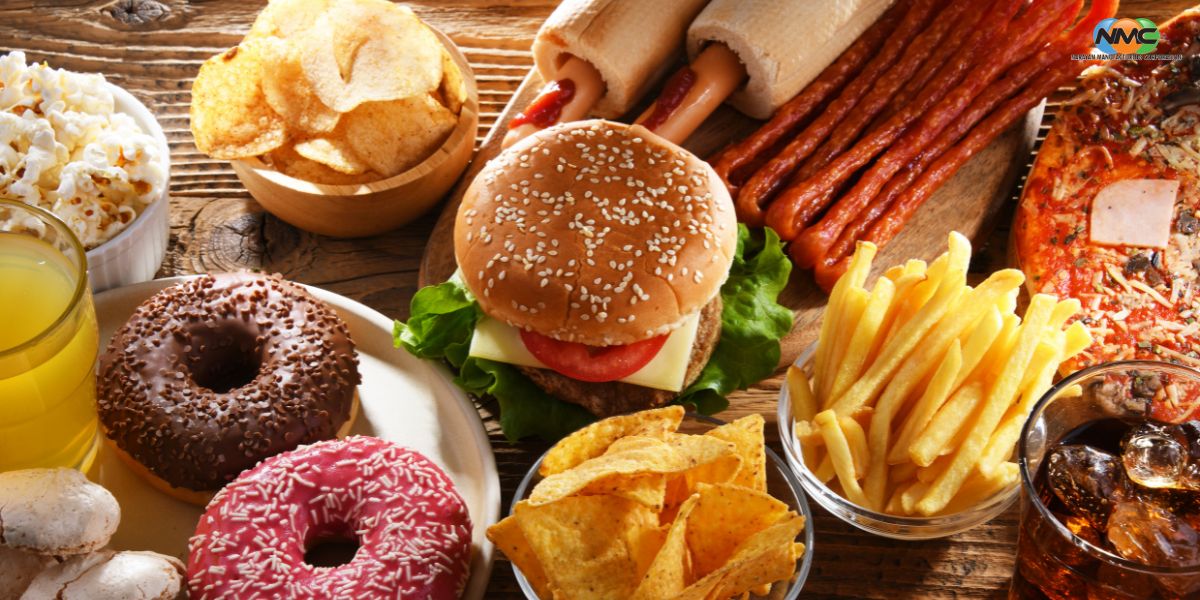
    Food presentation is an art form that goes beyond taste and texture—it begins with the eyes. The colors of our food not only stimulate our appetite but also play a crucial role in how we perceive its freshness and flavor. In today’s culinary world, synthetic food colors have become essential tools for chefs, food manufacturers, and artisans alike, enabling them to create visually stunning and appetizing dishes that captivate consumers. Here’s how synthetic food colors enhance food presentation and appeal:

    1. Vibrancy and Variety
    Synthetic food colors offer a spectrum of vivid hues that are often more intense and diverse than their natural counterparts. From vibrant reds and deep blues to bright yellows and greens, these colors allow for creative expression and artistic flair in food design. Whether it’s a delicately frosted cupcake, a meticulously crafted dessert, or a batch of playful candies, synthetic colors provide the palette needed to make food visually striking and memorable.

    2. Consistency and Stability
    One of the significant advantages of synthetic food colors is their consistent performance. Unlike natural colors, which can vary in intensity and stability depending on factors like harvest conditions and processing methods, synthetic colors offer uniformity. This reliability ensures that food products maintain their intended appearance throughout production and shelf life, enhancing their marketability and consumer appeal.

    3. Creative Flexibility
    Chefs and food artisans appreciate the creative flexibility that synthetic food colors provide. These colors can be easily mixed and matched to achieve precise shades and gradients, allowing for intricate designs and artistic presentations. Whether it’s decorating a cake with intricate patterns, crafting themed desserts for special occasions, or developing signature dishes that stand out on social media feeds, synthetic colors empower culinary professionals to push the boundaries of culinary creativity.

    4. Psychological Impact
    Colors evoke emotions and influence our perception of taste and quality. Bright and visually appealing foods can enhance the perceived freshness and flavor of dishes, making them more enticing to consumers. This psychological impact plays a significant role in consumer purchasing decisions, as people are naturally drawn to foods that look appetizing and well-prepared.

    5. Marketing and Branding
    Synthetic food colors also play a crucial role in marketing and branding. Eye-catching food presentations, enhanced by vibrant and appealing colors, can significantly impact brand recognition and consumer loyalty. Whether it’s designing attractive packaging, creating visually appealing menu items in restaurants, or showcasing products on retail shelves, synthetic colors help brands differentiate themselves and create a lasting impression on consumers.

    6. Regulatory and Safety Considerations
    While synthetic food colors offer many benefits, their use is subject to strict regulatory standards and safety evaluations. Regulatory agencies worldwide, such as the FDA in the United States and EFSA in Europe, carefully assess the safety of synthetic food colors before approving their use in food products. Manufacturers and chefs must adhere to these guidelines to ensure the safety and compliance of their food offerings.

    Conclusion
    In conclusion, synthetic food colors play a pivotal role in enhancing food presentation and appeal in today’s culinary landscape. They offer chefs and food manufacturers the tools they need to create visually stunning and appetizing dishes that captivate consumers’ attention. From vibrant colors and creative flexibility to consistency and psychological impact, synthetic food colors enable culinary professionals to push the boundaries of culinary artistry while ensuring the safety and compliance of their products. Embrace the art of food presentation with synthetic food colors and elevate your culinary creations to new heights of visual appeal.

  • A Guide to Good Manufacturing Practices (GMP) in Food Coloring Production

    Good Manufacturing Practices (GMP) are essential in the food coloring production industry to ensure the safety, quality, and consistency of products. GMP encompasses a set of guidelines and procedures that manufacturers follow to maintain high standards throughout the production process. In this guide, we will explore the key aspects of GMP in food coloring production and their importance.

    1. Understanding GMP

    Good Manufacturing Practices are regulatory requirements that provide a framework for manufacturers to produce safe and high-quality products. These practices cover all aspects of production, from raw material sourcing to final packaging. In the food coloring industry, GMP ensures that the color additives are safe for consumption and meet all regulatory standards.

    2. Raw Material Quality Control

    Sourcing: The first step in GMP is sourcing high-quality raw materials. Suppliers should be carefully vetted to ensure they provide materials that meet safety and quality standards. This includes checking for contaminants and verifying the source of natural colors.

    Inspection: Upon arrival, raw materials should be inspected for quality and purity. This involves physical, chemical, and microbiological testing to ensure they meet specified criteria.

    3. Manufacturing Process Control

    Standard Operating Procedures (SOPs): SOPs are detailed, written instructions that describe the processes and procedures necessary to produce food coloring. These procedures ensure consistency and compliance with GMP standards.

    Equipment Maintenance: Regular maintenance and calibration of manufacturing equipment are crucial to prevent contamination and ensure accurate production. Equipment should be cleaned and sanitized according to a defined schedule.

    Process Monitoring: Continuous monitoring of the production process helps detect any deviations from the standard. This includes monitoring temperature, pH levels, and other critical parameters.

    4. Hygiene and Sanitation

    Facility Cleanliness: The production facility must be kept clean and sanitary to prevent contamination. This involves regular cleaning of floors, walls, and surfaces, as well as pest control measures.

    Employee Hygiene: Employees should follow strict hygiene protocols, including wearing appropriate clothing, washing hands regularly, and using protective gear to prevent contamination.

    5. Quality Assurance and Testing

    In-Process Testing: Samples should be taken at various stages of production to ensure the product meets quality standards. This includes testing for color consistency, concentration, and purity.

    Final Product Testing: Before packaging, the final product must undergo thorough testing to verify its compliance with regulatory standards. This includes checking for contaminants and verifying the color specifications.

    Traceability: Keeping detailed records of each batch produced allows for traceability in case of any quality issues. This includes documenting raw materials used, process parameters, and test results.

    6. Documentation and Record-Keeping

    Batch Records: Detailed batch records should be maintained for every production run. These records include information about raw materials, process conditions, and test results.

    Audit Trails: Regular internal audits help ensure compliance with GMP. Audits involve reviewing documentation, inspecting facilities, and verifying that SOPs are being followed.

    Regulatory Compliance: Manufacturers must stay updated with regulatory requirements and ensure their practices comply with local and international standards. This includes obtaining necessary certifications and licenses.

    7. Training and Education

    Employee Training: Regular training programs for employees ensure they understand and follow GMP guidelines. This includes training on SOPs, hygiene practices, and safety protocols.

    Continuous Improvement: Encouraging a culture of continuous improvement helps identify areas for enhancement in the production process. This involves regular reviews of procedures and implementing new best practices.

    8. Packaging and Labeling

    Safe Packaging: Packaging materials must be safe and suitable for food coloring products. They should prevent contamination and preserve the quality of the product.

    Accurate Labeling: Labels must provide accurate information about the product, including ingredients, usage instructions, and expiration dates. Compliance with labeling regulations is essential to ensure consumer safety.

    Conclusion

    Good Manufacturing Practices are critical in the food coloring production industry to ensure the safety, quality, and consistency of products. By adhering to GMP guidelines, manufacturers can produce high-quality food colors that meet regulatory standards and satisfy consumer expectations. Implementing GMP not only enhances product quality but also builds trust with consumers and regulatory bodies, ensuring the long-term success of the company.

  • Understanding ISO 9001:2015 Certification and Its Significance

    What is ISO 9001:2015?

    ISO 9001:2015 is an international standard for quality management systems (QMS). It is part of the ISO 9000 family of standards, which are designed to help organizations ensure they meet the needs of customers and other stakeholders while meeting statutory and regulatory requirements related to a product or program. The standard is based on several quality management principles including a strong customer focus, the involvement of top management, a process approach, and continual improvement.

    Key Components of ISO 9001:2015

    1. Context of the Organization: Understanding the organization’s context and determining the internal and external issues relevant to its purpose and strategic direction.
    2. Leadership: Emphasizing the importance of top management in integrating the QMS into business processes and ensuring a customer-focused approach.
    3. Planning: Addressing risks and opportunities, quality objectives, and the planning of changes.
    4. Support: Managing resources, competence, awareness, communication, and documented information to support the QMS.
    5. Operation: Planning and controlling production and service provision processes, including determining customer requirements and managing relationships with suppliers.
    6. Performance Evaluation: Monitoring, measuring, analyzing, and evaluating the QMS, including internal audits and management reviews.
    7. Improvement: Continual improvement of the QMS, addressing nonconformities, and taking corrective actions.

    Significance of ISO 9001:2015 Certification

    Benefits for Organizations

    1. Improved Customer Satisfaction: By consistently meeting customer requirements and enhancing customer satisfaction, organizations can build stronger relationships and improve their market reputation.
    2. Operational Efficiency: The process-oriented approach of ISO 9001:2015 helps organizations streamline their operations, reduce waste, and improve efficiency.
    3. Risk Management: The standard emphasizes risk-based thinking, helping organizations identify and mitigate risks that could impact product quality and customer satisfaction.
    4. Continual Improvement: A core principle of ISO 9001:2015 is the ongoing improvement of processes and systems, which can lead to better performance and competitive advantage.
    5. Compliance and Regulatory Requirements: Certification demonstrates that an organization meets international quality standards, which can be beneficial for compliance with statutory and regulatory requirements.
    6. Market Access: ISO 9001:2015 certification is often a prerequisite for doing business with certain customers or in specific markets, making it easier for organizations to access new opportunities.

    Benefits for Customers

    1. Quality Assurance: Customers can trust that products and services will consistently meet their requirements and expectations.
    2. Reliability: Certified organizations are more likely to deliver reliable and high-quality products and services.
    3. Customer Focus: The standard emphasizes understanding and meeting customer needs, leading to better customer experiences and satisfaction.

    Benefits for Employees

    1. Clear Roles and Responsibilities: ISO 9001:2015 helps define roles and responsibilities within the organization, leading to better clarity and accountability.
    2. Training and Development: The standard promotes competence and awareness, ensuring that employees have the necessary skills and knowledge to perform their tasks effectively.
    3. Engagement and Involvement: Employees are often more engaged when they understand how their work contributes to organizational goals and customer satisfaction.

    Certification Process

    1. Gap Analysis: An organization may conduct a gap analysis to compare its current QMS against the requirements of ISO 9001:2015.
    2. Implementation: Implementing the necessary changes to align with the standard, which may involve process improvements, documentation updates, and training.
    3. Internal Audit: Conducting internal audits to ensure the QMS is effectively implemented and maintained.
    4. Management Review: Top management reviews the QMS to ensure its continuing suitability, adequacy, and effectiveness.
    5. Certification Audit: An external certification body conducts an audit to verify that the organization meets the requirements of ISO 9001:2015.
    6. Certification: If the organization passes the audit, it receives ISO 9001:2015 certification, which is valid for three years, subject to annual surveillance audits.

    Conclusion

    ISO 9001:2015 certification is a globally recognized mark of quality that signifies an organization’s commitment to meeting customer requirements and continuously improving its processes. By adhering to the principles of the standard, organizations can enhance their operational efficiency, customer satisfaction, and market competitiveness. For customers, it provides assurance of quality and reliability, while for employees, it offers clarity, training, and engagement opportunities.

  • Exploring the History of Synthetic Food Colors

    Exploring the History of Synthetic Food Colors

    The history of synthetic food colors is a fascinating journey that spans more than a century, reflecting advancements in chemistry, changes in consumer preferences, and evolving regulations. Here’s a detailed look at how synthetic food colors have developed over time:

    Early History

    Natural Dyes

    Before the advent of synthetic food colors, natural dyes were used to color food. These included substances like saffron, turmeric, beet juice, and cochineal extract (derived from insects). These natural dyes were limited in color range and stability.

    19th Century: Birth of Synthetic Colors

    Discovery of Aniline Dyes

    The mid-19th century marked the beginning of synthetic dyes with the discovery of aniline dyes. In 1856, William Henry Perkin, an English chemist, accidentally discovered the first synthetic dye, mauveine, while attempting to synthesize quinine. This discovery spurred further research into coal-tar derivatives, leading to the development of more synthetic dyes.

    Initial Use in Foods

    By the late 1800s, synthetic dyes began to be used in food products due to their vibrant colors and low cost compared to natural dyes. These early synthetic food colors were derived from coal-tar, a byproduct of the coal industry.

    Early 20th Century: Regulation and Safety Concerns

    Pure Food and Drug Act of 1906

    As synthetic dyes became more prevalent, concerns about their safety emerged. The Pure Food and Drug Act of 1906 in the United States was one of the first regulations to address food safety, including the use of synthetic dyes. This act aimed to prevent the adulteration and mislabeling of food and drugs.

    The 1938 Federal Food, Drug, and Cosmetic Act

    The 1938 Federal Food, Drug, and Cosmetic Act (FD&C Act) expanded the regulatory framework, requiring proof of safety for new drugs, including food additives. The act established guidelines for the certification of color additives, leading to a more systematic approach to their regulation.

    Mid-20th Century: The Era of FD&C Colors

    FD&C Certification

    The FD&C Act led to the creation of a list of certified color additives, known as FD&C colors, which were approved for use in food, drugs, and cosmetics. These colors underwent rigorous testing for safety and purity.

    Popular FD&C Colors

    Some of the most commonly used synthetic food colors included FD&C Red No. 40, FD&C Yellow No. 5, and FD&C Blue No. 1. These colors were popular due to their stability, vibrant hues, and versatility in various food products.

    Late 20th Century to Present: Evolving Standards and Consumer Preferences

    Health Concerns and Bans

    Over the years, certain synthetic dyes were found to pose health risks, leading to their ban or restriction. For example, FD&C Red No. 2 (amaranth) was banned in the United States in 1976 due to concerns about its carcinogenicity.

    Rise of Natural Alternatives

    In recent decades, there has been a growing consumer demand for natural and clean-label products. This trend has led to a resurgence in the use of natural colorants, such as annatto, carmine, and spirulina, alongside synthetic options.

    Modern Regulations

    Today, synthetic food colors are subject to strict regulatory oversight by agencies such as the U.S. Food and Drug Administration (FDA) and the European Food Safety Authority (EFSA). These agencies continually review scientific evidence to ensure the safety of color additives.

    Conclusion

    The history of synthetic food colors is marked by scientific innovation, regulatory milestones, and shifting consumer attitudes. While synthetic dyes revolutionized the food industry by providing consistent, vibrant colors, ongoing research and regulatory scrutiny ensure their safety and suitability for modern consumers. As the demand for natural products grows, the balance between synthetic and natural colorants continues to evolve, reflecting broader trends in food science and consumer behavior.

  • The Importance of Food Coloring in the Food Industry

    The Importance of Food Coloring in the Food Industry

    The Importance of Food Coloring in the Food Industry

    Food coloring plays a vital role in the food industry, extending far beyond mere aesthetic appeal. These additives, whether synthetic or natural, are essential in enhancing the visual appeal, consistency, and marketability of various food products. Here’s a closer look at why food coloring is so important in the food industry.

    1. Enhancing Visual Appeal

    Consumer Attraction: The appearance of food greatly influences consumer perception and choice. Vibrant, colorful foods are more attractive and can significantly enhance the appeal of products on the shelves.

    Natural Appearance: Food coloring can restore the natural color of foods that may have been lost during processing, ensuring that products look fresh and appetizing.

    2. Indicating Flavor and Quality

    Flavor Association: Certain colors are associated with specific flavors. For instance, red is often linked with strawberry or cherry, while yellow is associated with lemon or banana. These visual cues help consumers identify flavors quickly and accurately.

    Quality Perception: Bright, consistent colors are often perceived as indicators of quality. Faded or inconsistent colors can imply spoilage or inferior quality, even if the product is safe and nutritious.

    3. Consistency and Standardization

    Batch Uniformity: Food coloring ensures that every batch of a product looks the same, which is crucial for brand consistency. Consumers expect the same color and quality every time they purchase a product.

    Seasonal Adjustments: Natural variations in raw materials can affect the color of food products. Food coloring helps maintain a consistent appearance regardless of these variations.

    4. Enhancing Experience and Enjoyment

    Sensory Experience: The visual appeal of food significantly impacts the overall sensory experience. Colorful foods can enhance enjoyment and satisfaction, making meals more pleasurable.

    Cultural and Festive Significance: Certain colors are associated with specific cultural events and holidays. For example, red and green are popular during Christmas, while orange and black are associated with Halloween. Food coloring helps create themed products that cater to these occasions.

    5. Supporting Dietary Needs

    Dietary Management: Food coloring can help distinguish between different types of dietary products, such as gluten-free, sugar-free, or allergen-free options, making it easier for consumers to identify and choose products that meet their dietary needs.

    6. Marketing and Branding

    Brand Identity: Consistent use of specific colors can help establish a brand identity and make products easily recognizable. Strong visual branding can build consumer loyalty and drive repeat purchases.

    Innovative Products: Food coloring enables the creation of innovative and unique products that stand out in the market. New and exciting colors can attract attention and generate interest among consumers.

    7. Educational and Informational

    Ingredient Identification: Food coloring can help identify specific ingredients or flavors within a product, such as multicolored candies or layered desserts, providing a clear indication of variety.

    Nutritional Indicators: Some food colorings are derived from natural sources rich in nutrients. For example, beet juice for red coloring can add nutritional value along with visual appeal.

    Conclusion

    Food coloring is a critical component in the food industry, influencing everything from consumer attraction and product consistency to brand identity and dietary management. By enhancing the visual appeal and ensuring the uniform appearance of food products, food coloring helps meet consumer expectations and supports the marketability of a wide range of food items. Whether through the use of natural or synthetic dyes, the strategic application of food coloring is essential for creating attractive, high-quality, and enjoyable food experiences.

  • What are synthetic food colors?

    Synthetic food colors are artificial additives used to impart color to food and beverages. Unlike natural colors derived from plants, minerals, or animals, synthetic food colors are chemically synthesized in laboratories. These colors are typically more vibrant and stable than natural alternatives, making them popular choices for enhancing the appearance of various food products.

    Some common examples of synthetic food colors include:

    1. Tartrazine (Yellow 5): A bright yellow dye commonly used in candies, snacks, beverages, and desserts.
    2. Allura Red (Red 40): A vibrant red dye frequently found in soft drinks, fruit-flavored snacks, and confections.
    3. Brilliant Blue (Blue 1): A deep blue dye used in candies, baked goods, and beverages.
    4. Sunset Yellow (Yellow 6): An orange-yellow dye often used in processed foods, sauces, and snacks.
    5. Erythrosine (Red 3): A cherry-red dye used in candies, desserts, and pharmaceuticals.

    Synthetic food colors provide manufacturers with precise control over the color of their products and are often more cost-effective than natural alternatives. However, concerns have been raised about potential health risks associated with some synthetic food colors, leading to increased consumer demand for natural alternatives and regulatory scrutiny of synthetic color additives.

  • What are natural colours in food?

    Natural colors in food are pigments derived from natural sources such as fruits, vegetables, plants, and minerals. These colors are used to enhance or impart hues to food products, replacing synthetic colors that may be perceived as less desirable by consumers due to health concerns or preference for natural ingredients. Natural colors are widely used in the food industry to achieve various shades and hues in a wide range of products, including beverages, confectionery, dairy, snacks, and more.

    Some common examples of natural colors in food include:

    1. Carotenoids: These are naturally occurring pigments found in fruits and vegetables such as carrots, tomatoes, sweet potatoes, and pumpkins. Carotenoids can range in color from yellow to red-orange and are commonly used to impart these hues to food products.
    2. Anthocyanins: These are water-soluble pigments found in many fruits, particularly berries such as strawberries, blueberries, and raspberries. Anthocyanins can produce shades of red, purple, and blue and are often used in beverages, dairy products, and confectionery.
    3. Chlorophyll: This green pigment is found in plants and vegetables such as spinach, kale, and broccoli. Chlorophyll is commonly used to impart green color to food products, particularly in beverages and snacks.
    4. Annatto: Derived from the seeds of the achiote tree, annatto is a natural colorant that imparts shades of yellow to orange. It is commonly used in cheese, dairy products, margarine, and baked goods.
    5. Beetroot Extract: Beetroot extract is obtained from the roots of the beet plant and is used to impart shades of red to pink. It is commonly used in beverages, confectionery, and dairy products.
    6. Turmeric: This spice derived from the turmeric plant is known for its vibrant yellow color. Turmeric is used as a natural food colorant in various applications, including curry powders, sauces, and snacks.
    7. Caramel: While caramel can be produced synthetically, it can also be derived naturally by heating sugars. Natural caramel is commonly used to impart brown hues to food products such as soft drinks, baked goods, and sauces.

    These are just a few examples of natural colors used in the food industry. The use of natural colors allows manufacturers to meet consumer demand for clean-label products while ensuring that foods maintain an appealing appearance without compromising on safety or quality.

  • Understanding Food Grade Colors: Enhancing Culinary Creativity Safely

    In the vibrant world of culinary artistry, color plays a pivotal role in stimulating the senses and enhancing the dining experience. From rich red tomatoes to lush green spinach, nature’s palette is vast and diverse. However, when it comes to adding an extra pop of color to dishes, food-grade colors come into play.

    Exploring Food Grade Colors
    Food-grade colors, often referred to as food colors or food dyes, are additives used to impart hues to food and beverages. They are meticulously formulated to meet safety standards and regulations set by regulatory authorities like the FDA (Food and Drug Administration) and EFSA (European Food Safety Authority).

    What Makes a Color Food Grade?

    1. Safety Assurance: Food-grade colors undergo rigorous testing to ensure they are safe for consumption. They must meet stringent criteria for purity, composition, and absence of harmful substances.
    2. Regulatory Compliance: Regulatory bodies like the FDA classify food colors into two main categories: certified colors and exempt colors. Certified colors undergo thorough testing and certification, while exempt colors are considered safe for general use based on historical usage or natural origins.
    3. Stability and Performance: Food-grade colors are designed to withstand various food processing conditions, including heat, light, pH levels, and storage conditions, without compromising their color intensity or stability.
    4. Labeling Requirements: Manufacturers are required to accurately label food-grade colors on product packaging, providing consumers with transparency regarding the ingredients used in food products.

    Importance of Food Grade Colors

    1. Enhanced Aesthetics: Food-grade colors add vibrancy and visual appeal to a wide range of culinary creations, from baked goods and confectionery to beverages and savory dishes.
    2. Creative Expression: Chefs and food artisans leverage food-grade colors as a creative tool to elevate presentation, evoke emotions, and enhance storytelling through food.
    3. Consumer Expectations: In today’s visually-driven food culture, consumers are increasingly drawn to visually stunning dishes and products, making food-grade colors an indispensable tool for culinary professionals and food manufacturers alike.

    Conclusion
    In the realm of culinary innovation, food-grade colors serve as the palette with which chefs and food manufacturers paint their masterpieces. As consumers continue to seek culinary experiences that engage all senses, the judicious use of food-grade colors allows for endless possibilities in culinary creativity, all while ensuring safety and compliance with regulatory standards.

    Incorporating food-grade colors responsibly not only enhances the visual allure of food but also contributes to a more delightful and memorable dining experience for all. Embrace the artistry of food-grade colors, and let your culinary creations shine with brilliance and flavor.

  • What are the classification of food colors?

    Food colors can be classified into two main categories: natural colors and synthetic (or artificial) colors.

    1. Natural Colors:

    • Plant-Derived Colors: Extracted from various plant sources such as fruits, vegetables, and spices. Examples include beetroot (red), turmeric (yellow), and spinach (green).
    • Fruit Juices and Concentrates: Colors obtained from fruits like berries, cherries, or grapes. These are often used as natural food colorants.
    • Vegetable Juices and Extracts: Extracts from vegetables like carrots and tomatoes are used to impart orange and red colors, respectively.

    2. Synthetic (Artificial) Colors:

    • Coal-Tar and Petrochemical Colors: Originally derived from coal-tar, many synthetic colors are now produced from petroleum-based chemicals.
    • Water-Soluble Colors: Used in a variety of products and beverages. Examples include FD&C (Food, Drug, and Cosmetic) Red No. 40, Yellow No. 5, and Blue No. 1.
    • Oil-Soluble Colors: Used in products with a higher fat content, such as certain candies and chocolates.

    Food regulatory authorities in different countries regulate the use of food colors to ensure their safety and adherence to established standards. Some individuals may be sensitive or allergic to certain artificial colors, and efforts are made to develop and use natural alternatives where possible.